Radio Communication - Say it Right

Effective communication between pilots is crucial when flying. Knowing the positions of other aircraft and ensuring they are aware of yours reduces the risk of potential incidents. This is especially critical when operating near airports or preparing to land, as you must know how to effectively communicate on the radio. I discovered this quickly after returning from a successful cross-country flight.
The Flight at a Glance
On the day of the flight, after shutting down the motor, it was clear thermals were weaker and cumulus clouds considerably smaller compared to the previous day. Despite this, we managed to complete a 265.46 km flight and stayed up for over 3 hours. As we were final glide back to the airport, I recalled the morning pilot briefing, which emphasized making radio calls at 10 miles, 5 miles, and when entering the landing pattern. It was then that I realized that I wasn't sure what to say on the radio. Sure, I studied this for my private glider rating, but that was years ago. The training gliders didn't have radios! I never used the radio in the Twin Shark; someone else always did. So, what do I say?
Attempting my First Radio Call
My initial attempt 10 miles out sounded something like this, “Ephrata traffic glider Hotel Alpha 10 miles out Ephrata”. The instructor in the back seat said I missed some information, quickly jumped on the radio, then mentioned to me what needed to be said, which was a lot to take in at that moment. So, at 5 miles out, I tried again, “Ephrata traffic Glider hotel alpha 5 miles out to the northwest Ephrata”. I was told that it was better, but still incomplete. He jumped on the radio to retransmit the message. Finally, when we were about to fly in toward the airport to start the pattern, I made another call: “Ephrata traffic glider Hotel Alpha at the towers 2700 feet landing Ephrata.” And for the third time in a row, I was told that the radio call wasn't right - instructor completes the radio call.
These were my final radio calls of the day. I didn't use the radio in the pattern. I found that after landing, the instructor was announcing positions throughout the pattern for me. Coming from a private airport where many gliders didn't have radios, I was completely unprepared flying at a busy public airport.
Say it Right
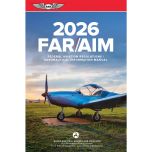
After this experience and a debrief with the instructor, I did not want to be in that same situation again, so I went back and read the Aeronautical Information Manual (AIM)and the Pilots Handbook of Aeronautical Knowledge sections on radio communication. After reviewing this topic in both books, I realized what should have been said and that I wasn’t the only pilot messing up on the radio that day! One announced all their position calls on 123.3, rather than using CTAF (Common Traffic Advisory Frequency). Another pilot on the CTAF just said, "I'm downwind Ephrata".
Let's dig into the Pilot’s Handbook of Aeronautical Knowledge. Announce who you are talking to, your aircraft identification, position with altitude, and your intentions on the CTAF 10 miles out from the airport. If you want to earn extra points, you can also announce 5 miles out. A good example of what should have been said is, “Ephrata traffic glider Hotel Alpha 5 miles northwest at four thousand eight hundred landing Ephrata.”
Radio communication extends beyond initial position reports. It is equally important to announce downwind, base, and final. For example, a pilot should say, “Ephrata traffic, glider Hotel Alpha, entering right downwind runway two two Ephrata,” and continue to call in for each leg of the pattern.
Radio communication is a crucial skill when flying gliders. Just like any other skill, you need to practice it! You don’t want to end up in the same situation that I was in, coming back from a long cross-country flight just to realize you don’t know how to properly talk on the radio. You’ll be safer, more comfortable, and have one less thing to stress about after mastering the skill of radio communication.
Banner photo by Sean Franke
 Adam Franke has been immersed in aviation and gliders for as long as he can remember. On his 14th birthday, he completed his first solo flight, marking his place as a fourth-generation glider pilot in his family. Growing up, Adam gained invaluable experience by flying frequently and serving as ground crew during competitions, where he developed an understanding of competitive soaring. He now holds a private glider license and recently participated in his first SSA competition as a backseat pilot. In his current role at Wings & Wheels, Adam is dedicated to supporting pilots and growing the soaring community, helping to foster a thriving future for the sport